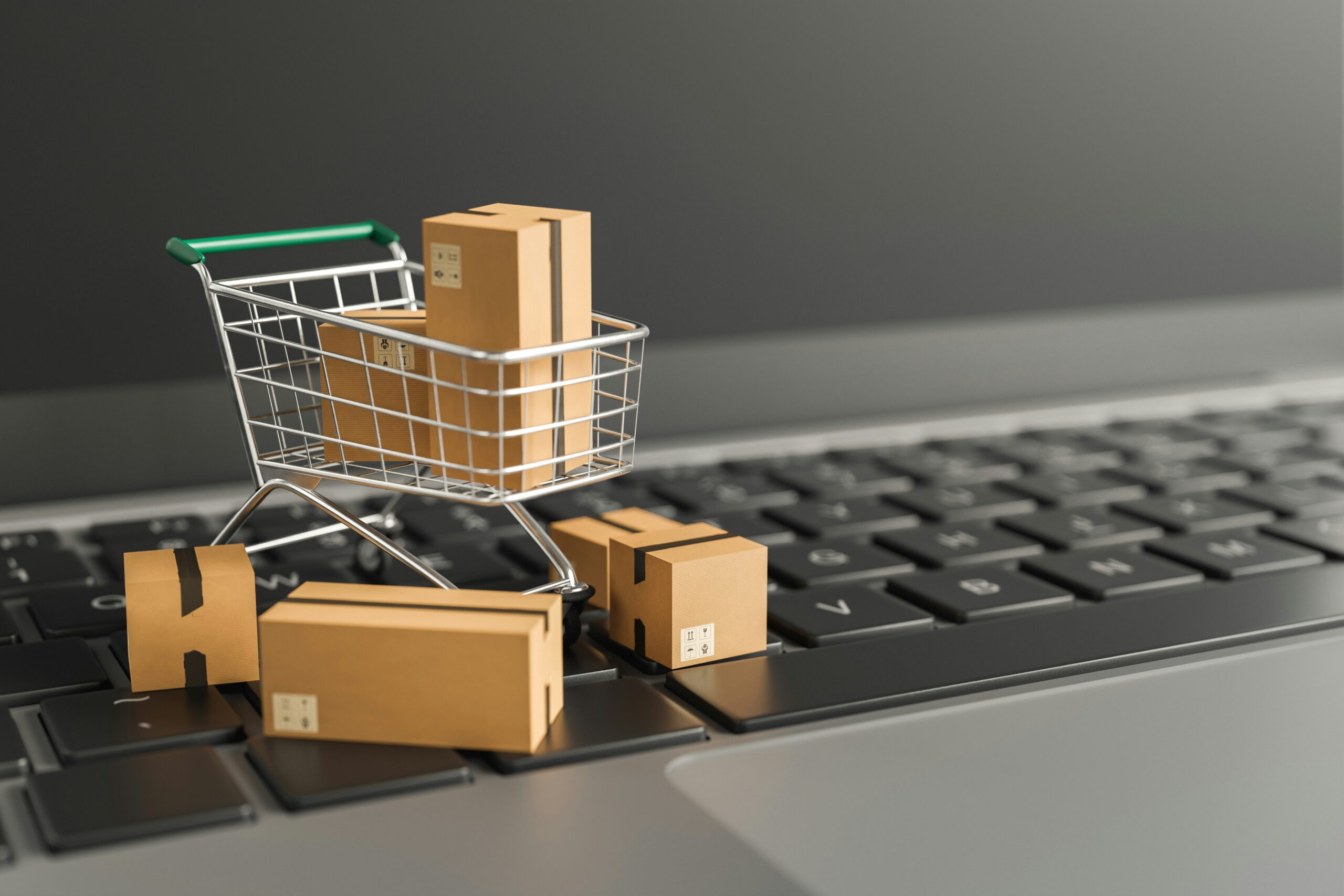
The world of e-commerce is changing fast. What worked just five years ago is no longer enough. Customers expect more, and technology has stepped in to fill the gap. This shift is not just about going online. It’s about building new ways to serve, connect, and grow.
Companies that once struggled to keep up are now leading the market. They’ve embraced digital tools, made smarter choices, and stayed closer to their customers. These changes are opening doors for smaller brands, startups, and fresh ideas. The market is more open than ever—and the winners are those who move fast and think differently.
Customer Experience Is Now the Heart of E-Commerce
Customers want things to be easy, fast, and personal. They don’t want to wait for pages to load. They don’t want to search through endless products. This is where digital transformation makes all the difference.
New e-commerce leaders are winning by prioritizing the user experience. They use data to understand their audience. They build websites that respond quickly. Every detail matters, and it shows.
Small Brands Are Growing With Big Ideas
In the past, only big companies could afford the best tools. That’s changed. Cloud software, automation, and online platforms are now within reach for small businesses. This levels the playing field. Anyone with a clear vision and the right tools can reach customers worldwide.
This access to technology has given rise to many new market leaders. They don’t waste time on long meetings or slow processes. Their ability to adapt has helped them outpace larger, slower competitors.
Data Is Driving Smarter Business Decisions
The best decisions come from understanding what’s really happening. In e-commerce, that means knowing what your customers want, how they behave, and what keeps them coming back. With digital tools, brands can now collect this information in real time.
This data helps businesses adjust prices, improve product listings, and fine-tune marketing. They can spot trends before competitors and respond with confidence. Instead of guessing, they act on clear insights. This leads to faster growth and stronger customer loyalty.
Personalization Creates Stronger Connections
Customers are more likely to buy when they feel understood. They respond to emails that interest them. They stay longer on websites that show them the right products. Personalization has become a key part of the e-commerce experience, driven by digital transformation.
New market leaders use technology to create one-to-one experiences. They track behavior, remember shopper choices, and suggest products based on shoppers’ preferences. It’s not about pushing more—it’s about showing the right thing at the right time. This builds trust and keeps customers coming back.
Social Media Is Fueling Brand Discovery
Many shoppers now find new brands through social media. Instagram, TikTok, and Facebook are not just places to scroll—they’re where people explore and decide what to buy. Digital transformation has made it easier for businesses to participate in that journey.
Smart brands are using social platforms to tell their stories, engage with followers, and offer products in real time. They go beyond ads. They build communities, answer questions, and listen to feedback. This active presence turns followers into fans and browsers into buyers.
Fast Shipping and Easy Returns Build Trust
Shopping online means waiting for a package to arrive. If it arrives late or in poor condition, trust is lost. Digital tools now help businesses offer better shipping experiences. They connect with warehouses, update tracking, and send alerts when something changes.
Customers also want simple return policies. Technology makes this easier, too. Some brands offer instant refunds or let you track your return online. These small touches build loyalty. When a brand handles the post-purchase experience well, customers notice—and they tell others.
Mobile Commerce Is Taking the Lead
More people now shop on phones than on computers. If a site doesn’t work well on mobile, it loses customers fast. The leaders in e-commerce have made mobile their top focus. They design for touchscreens, not keyboards. They simplify checkout for smaller screens.
Apps are also growing in popularity. Brands that offer mobile apps can stay closer to their customers. They send push notifications, provide app-only deals, and make it easy to shop with just a few taps. This convenience helps brands stay top of mind and boost repeat purchases.
Automation Saves Time and Reduces Mistakes
Running an online store involves many moving parts—inventory, shipping, customer service, and more. Doing all of this manually is slow and error-prone. Automation tools now handle much of the work behind the scenes.
From sending order confirmations to managing stock levels, automation streamlines processes. It also keeps costs low, which helps small brands compete. The best part is that customers benefit too. They get faster service, more accurate updates, and fewer delays.
Transparency and Ethics Matter More Than Ever
Today’s shoppers care about where their products come from and how businesses operate. They want honesty, fair treatment, and sustainable practices. Brands that meet these expectations are building loyal followings.
Technology helps with this as well. Brands can show where their materials are sourced, how their workers are treated, or how they reduce waste. They use websites, social media, and product pages to share their values. This openness builds trust and helps them stand out.
Success Belongs to the Most Adaptable
The e-commerce world will keep changing. What works today might not work next year. That’s why digital transformation is not a one-time fix—it’s an ongoing mindset. Brands that stay flexible, curious, and ready to evolve thrive.
New market leaders succeed because they don’t get comfortable. They learn from their mistakes. They listen to their customers. And they keep improving. In a fast-moving digital world, adaptability is the real key to long-term success.